Residential care
Centre For Neuro Skills, Inc Texas
Residential care in Irving, Texas
| Provider details | |
|---|---|
| City | Irving |
| State | Texas |
| ZIP code | 75038 |
| County | Dallas |
| License number | 111664 |
| License type | Assisted Living Facility (ALF) — Texas Health and Human Services Commission license (26 TAC Chapter 553) |
| Licensing status | LICENSED |
| Capacity | 8 |
| Care types | residential care, assisted living |
| Services offered | Assistance with activities of daily living, 24-hour supervision |
| CMS quality note | Licensed by the Texas Health and Human Services Commission. |
Photos



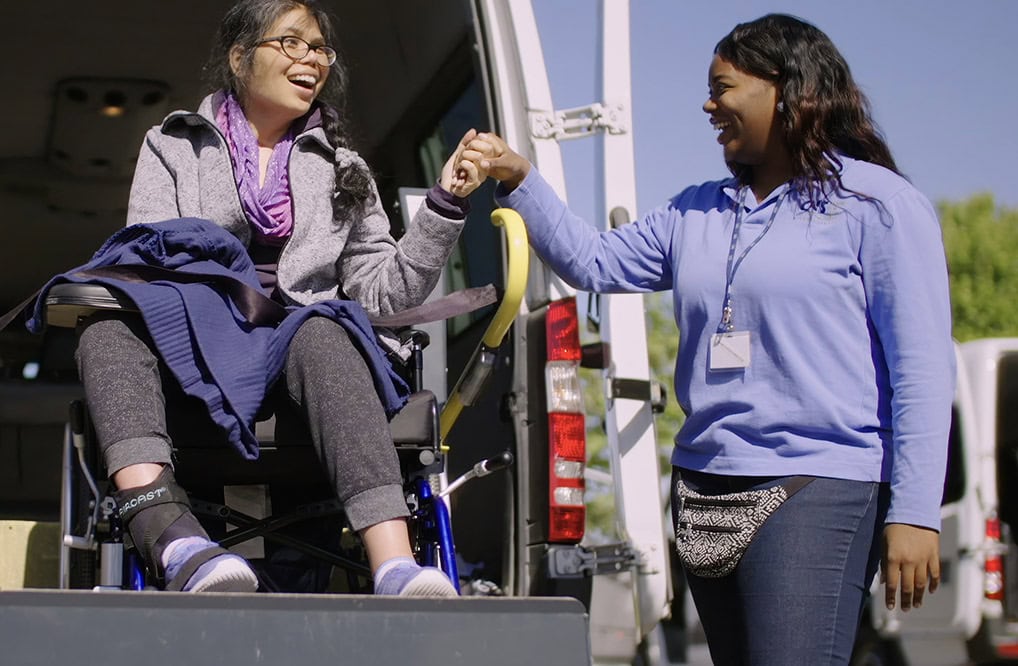


Photos from the provider's own website.
Centre for Neuro Skills (CNS) provides post-acute rehabilitation for people recovering from brain injury and stroke. Its Dallas-area clinic is at 4851 Regent Boulevard, Suite 200 in Irving, Texas. Founded in 1980, CNS runs clinical locations in California and Texas, and its Texas clinics are open Monday through Friday, 7:30 AM to 4:30 PM, while its residential sites operate around the clock.
CNS offers two main programs. In Residential Rehabilitation, patients live in CNS residences in the community near the clinic while they are in treatment, so they can practice daily living skills, build routines, and apply what they learn in therapy to everyday life with support and training in the residence. Day Treatment is the outpatient option for patients who live at home and come to the clinic for scheduled therapy. Both programs use an interdisciplinary team — physical, occupational, and speech therapists, physicians, nurses, counselors, behavioral specialists, case managers, educational therapists, and Neuro Rehabilitation Specialists — and therapy can run up to five days a week, built around each patient's abilities and goals.
The services around therapy are wide. Case managers coordinate the whole team and keep the family informed. Community re-entry work helps patients practice skills in real settings, from shopping and managing money to using transportation. CNS also provides medical coordination and disease management, nursing at each clinic, neuroendocrine testing, sleep hygiene support, transportation with drivers trained for the brain injury community, telehealth, family education and counseling, and a substance misuse program designed for people who have both a brain injury and a history of substance misuse. Its multicultural programming uses interpreters and honors dietary needs and religious practices.
CNS serves adolescents and adults, generally ages 13 and older, and accepts patients from across the country; no formal referral is required to start. All CNS facilities are accredited by CARF International. Families can call the Irving clinic at 972.580.8500 or request a callback to arrange a tour.
Who pays for residential care?
What this care costs, and who pays — Medicare, Medicaid, or the family — is covered in these guides:
- Does Medicare or Medicaid pay for assisted living
- Memory Care Costs: What Drives the Price When No National Median Exists
Residential care guide · Paying for care
Other residential care in Dallas County
- Avalon Memory Care — Irving
- Centre For Neuro Skills — Irving
- Centre For Neuro Skills — Irving
Common questions about Centre For Neuro Skills, Inc Texas
What care and services does Centre For Neuro Skills, Inc Texas offer?
Centre For Neuro Skills, Inc Texas offers residential care, assisted living, Assistance with activities of daily living, 24-hour supervision.
How much does assisted living cost?
The national median cost of assisted living is $6,200 a month (CareScout Cost of Care Survey, 2025). Costs in Texas can be higher or lower. The price goes up when a person needs more help with daily tasks. See our guide to assisted living costs and who pays for the full picture.
Does Medicare pay for assisted living?
No. Medicare does not pay for the rent or the day-to-day help in assisted living. That help is called custodial care, and Medicare does not cover it. Medicare still pays for your medical care while you live there, like doctor visits, hospital care, and home health visits.
What is the difference between assisted living and a nursing home?
Assisted living gives a room, meals, and help with daily tasks like bathing and dressing. Staff are on hand day and night, but it does not give round-the-clock nursing care. A nursing home gives skilled nursing care and rehab around the clock. People who need help but not daily medical care often pick assisted living. People who need daily medical care often need a nursing home.
Who else pays for assisted living besides Medicare?
Most people pay out of pocket. Medicaid pays for care services in assisted living in many states through waiver programs, but it does not pay the rent. A VA pension called Aid and Attendance can add money each month for veterans who need help with daily tasks. Long-term care insurance can pay for part of the cost.