Residential care
Centre For Neuro Skills Unit 3
Residential care in Irving, Texas
| Provider details | |
|---|---|
| City | Irving |
| State | Texas |
| ZIP code | 75038 |
| County | Dallas |
| License number | 000685 |
| License type | Assisted Living Facility (ALF) — Texas Health and Human Services Commission license (26 TAC Chapter 553) |
| Licensing status | LICENSED |
| Capacity | 8 |
| Care types | residential care, assisted living |
| Services offered | Assistance with activities of daily living, 24-hour supervision |
| CMS quality note | Licensed by the Texas Health and Human Services Commission. |
Photos


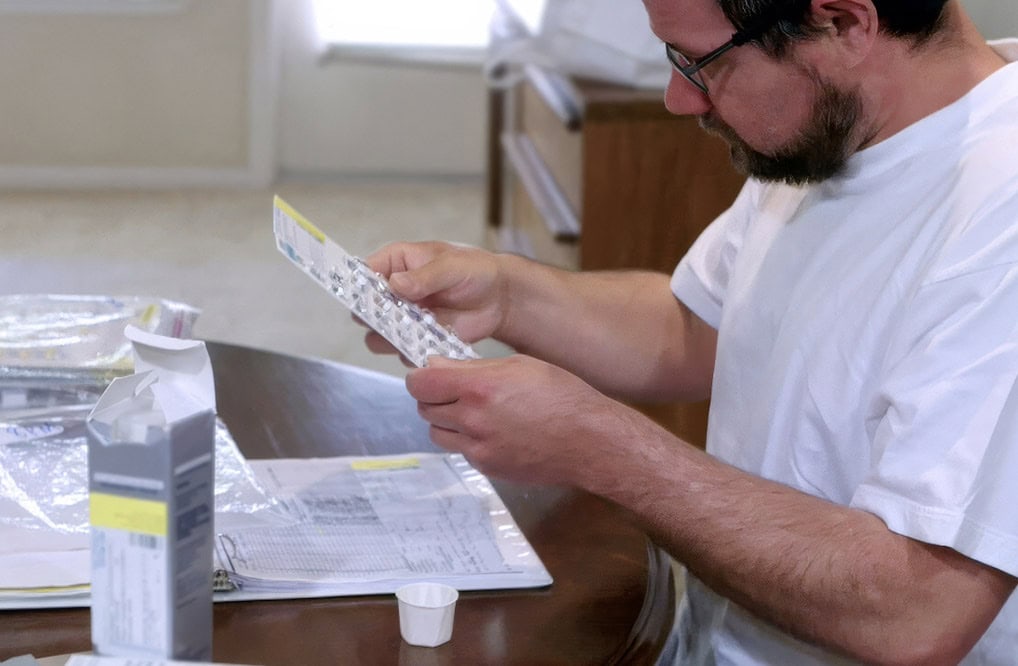
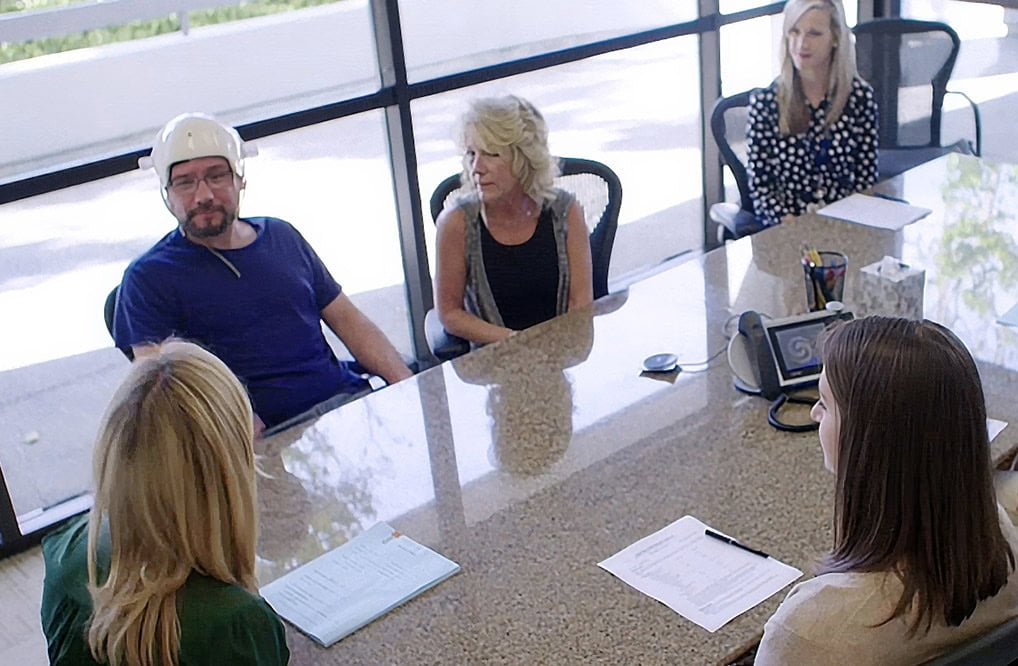


Photos from the provider's own website.
Centre for Neuro Skills in Irving is part of a rehabilitation program built for people recovering from brain injury and stroke. Its Dallas clinic sits in Irving, and patients in residential rehabilitation live in CNS residences in the community near the clinic, moving between the residence, the clinic, and the community as part of everyday treatment. The idea is simple: skills learned in therapy get practiced in real life, in a home-like setting, with trained staff close by.
At the clinic, care can include physical, occupational, and speech therapy, along with educational, vision, vestibular, and cognitive therapy, patient and family counseling, and neurobehavioral rehabilitation. Case managers, nurses, and physicians help coordinate the medical side, and services also include disease management, family education, medical coordination, community re-entry help, telehealth, sleep support, and transportation in wheelchair-accessible vehicles driven by staff trained to work with the brain injury community.
In the residences, support can run up to 24 hours a day. Staff help patients practice daily living skills such as hygiene, dressing, grooming, meal preparation, and household tasks, and they support medication management, safety, and community activities. Residences offer private and semi-private rooms, large walk-in and wheelchair accessible showers, and security features inside and out. Families are part of the process too, with education, counseling, and tours available, and the Steve Ashley House offers short-term lodging for visiting families. For people who no longer need residential care, day treatment and continued care options, including assisted living residential and supported living, can carry support forward.
Who pays for residential care?
What this care costs, and who pays — Medicare, Medicaid, or the family — is covered in these guides:
- Does Medicare or Medicaid pay for assisted living
- Memory Care Costs: What Drives the Price When No National Median Exists
Residential care guide · Paying for care
Other residential care in Dallas County
- Avalon Memory Care — Irving
- Centre For Neuro Skills — Irving
- Centre For Neuro Skills — Irving
Common questions about Centre For Neuro Skills Unit 3
What care and services does Centre For Neuro Skills Unit 3 offer?
Centre For Neuro Skills Unit 3 offers residential care, assisted living, Assistance with activities of daily living, 24-hour supervision.
How much does assisted living cost?
The national median cost of assisted living is $6,200 a month (CareScout Cost of Care Survey, 2025). Costs in Texas can be higher or lower. The price goes up when a person needs more help with daily tasks. See our guide to assisted living costs and who pays for the full picture.
Does Medicare pay for assisted living?
No. Medicare does not pay for the rent or the day-to-day help in assisted living. That help is called custodial care, and Medicare does not cover it. Medicare still pays for your medical care while you live there, like doctor visits, hospital care, and home health visits.
What is the difference between assisted living and a nursing home?
Assisted living gives a room, meals, and help with daily tasks like bathing and dressing. Staff are on hand day and night, but it does not give round-the-clock nursing care. A nursing home gives skilled nursing care and rehab around the clock. People who need help but not daily medical care often pick assisted living. People who need daily medical care often need a nursing home.
Who else pays for assisted living besides Medicare?
Most people pay out of pocket. Medicaid pays for care services in assisted living in many states through waiver programs, but it does not pay the rent. A VA pension called Aid and Attendance can add money each month for veterans who need help with daily tasks. Long-term care insurance can pay for part of the cost.