Residential care
Carnegie East House
Residential care in New York, New York
| Provider details | |
|---|---|
| Address | 1844 Second Avenue |
| City | New York |
| State | New York |
| ZIP code | 10128 |
| County | New York |
| Phone | 212-360-2275 |
| Ownership | Not for Profit Corporation |
| License number | 420-S-387 |
| License type | Adult Care Facility — Enriched Housing Program (Article 7, New York Social Services Law) |
| Licensing status | Licensed — New York State Department of Health, Adult Care Facility |
| Capacity | 112 |
| Care types | residential care, assisted living |
| Services offered | 24-hour supervision and personal care, assistance with activities of daily living, respite stays |
| CMS quality note | Licensed by the New York State Department of Health. |
Photos

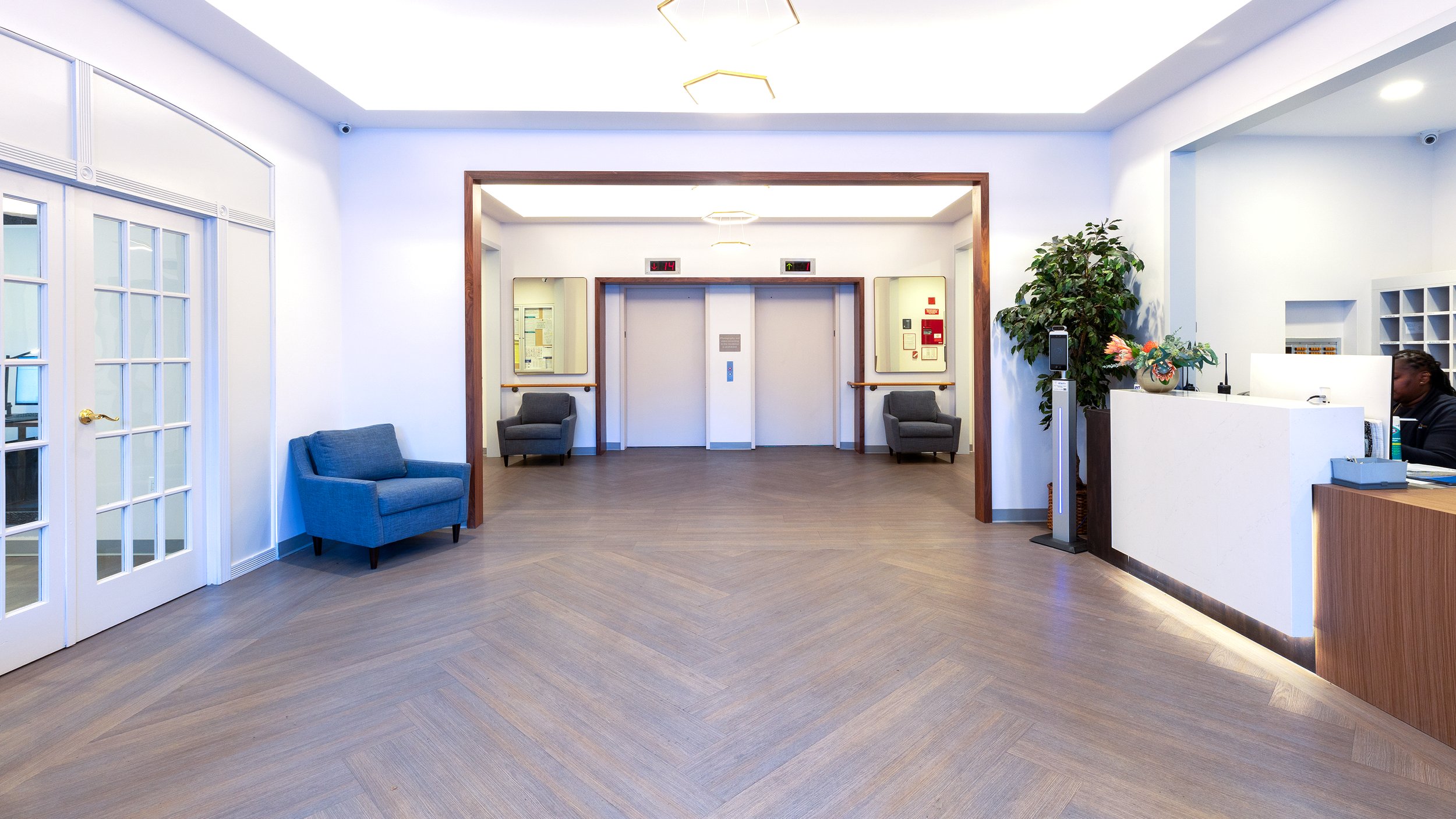

Photos from the provider's own website.
Carnegie East House is a not-for-profit enriched housing community for older adults at 1844 Second Avenue on Manhattan's Upper East Side. It has offered affordable long-term stays since 2002, for seniors who live independently but want extra support with daily life.
The monthly fee covers three chef-prepared meals a day, weekly housekeeping, personal laundry, utilities other than phone and cable, concierge services, and a daily activity program. Residents also get personal care, social worker support, and wellness programming, and the community works with an on-site home care partner for added help such as medication management and nursing, at extra cost.
Residents enjoy a terrace garden, a library, concerts, art instruction, lectures, and movement classes such as chair yoga and tai chi, plus membership at the 92nd Street Y nearby. Short-term stays are also offered, including after a hospital stay or rehab, or to give a family caregiver a break.
Prices stated by the provider
: . Provider-stated on the official home page ('Starting at Just $8,000'; '$8,000 / per month').
: . Provider-stated in the official site's FAQ section.
These prices are the provider's own, read from its website. They are not the verified cost figures published in this site's guides — call the provider to confirm what a stay would cost.
Who pays for residential care?
What this care costs, and who pays — Medicare, Medicaid, or the family — is covered in these guides:
- Does Medicare or Medicaid pay for assisted living
- Memory Care Costs: What Drives the Price When No National Median Exists
Residential care guide · Paying for care
Other residential care in New York County
- 305 West End Assisted Living — New York
- Alma Rangel Gardens Ny Foundation Ehp#7 — New York
- Atria West 86 — New York
Common questions about Carnegie East House
Where is Carnegie East House located?
Carnegie East House is at 1844 Second Avenue, New York, New York 10128.
What care and services does Carnegie East House offer?
Carnegie East House offers residential care, assisted living, 24-hour supervision and personal care, assistance with activities of daily living, respite stays.
How do I contact Carnegie East House?
Call Carnegie East House at 212-360-2275.
How much does assisted living cost?
The national median cost of assisted living is $6,200 a month (CareScout Cost of Care Survey, 2025). Costs in New York can be higher or lower. The price goes up when a person needs more help with daily tasks. See our guide to assisted living costs and who pays for the full picture.
Does Medicare pay for assisted living?
No. Medicare does not pay for the rent or the day-to-day help in assisted living. That help is called custodial care, and Medicare does not cover it. Medicare still pays for your medical care while you live there, like doctor visits, hospital care, and home health visits.
What is the difference between assisted living and a nursing home?
Assisted living gives a room, meals, and help with daily tasks like bathing and dressing. Staff are on hand day and night, but it does not give round-the-clock nursing care. A nursing home gives skilled nursing care and rehab around the clock. People who need help but not daily medical care often pick assisted living. People who need daily medical care often need a nursing home.
Who else pays for assisted living besides Medicare?
Most people pay out of pocket. Medicaid pays for care services in assisted living in many states through waiver programs, but it does not pay the rent. A VA pension called Aid and Attendance can add money each month for veterans who need help with daily tasks. Long-term care insurance can pay for part of the cost.