Adult Day & Respite
Adult Day Health Programs vs Social Day Programs: What Differs
Adult day health programs and social day programs sound alike. They do different work. See how staffing, health services, and fit differ before you enroll.
Key takeaways
- Adult social day care gives social activities, meals, and recreation. It also gives some health-related services.
- Adult day health care gives stronger health, therapy, and social services. It serves people with serious medical problems. It also serves people at risk of needing nursing home care.
- The health type fits when a person needs nursing checks or therapy. It also fits when a health problem needs close watch during the day.
- The social type fits when the main needs are company and routine. Meals matter too. So does a break for the family caregiver.
- Program names vary by state and by center. Ask what staff are on site. Ask what health tasks the program will do. Judge by the answers, not the name.
- The CareScout 2025 survey puts the national median cost of adult day health care at $95 a day. Our figures carry no matching survey figure for social programs. So no price for that type is stated here.
Two programs in the same town can both call themselves adult day programs. They can still do very different work. One is built around health care. The other is built around company and meals. It also gives a safe place to spend the day. The names sound close. Brochures often blur the line. A family that picks the wrong type may pay for care their person does not need. Or they may miss care their person does need.
This guide sets the two types side by side. It shows what each one staffs. It shows what a day looks like at each one. It also shows how to tell which type a local program is. Do that before anyone signs up. Our adult day and respite section lists more guides in this area.
What a social day program does
A social day program gives a person a place to go during the day. The day is built around other people. There are group activities and games. There is music, exercise classes, and shared meals. Staff keep watch and help with basic needs. They run the day on a set routine.
This type fits a person who is fairly steady in health. It fits a person who should not be alone all day. It also fits a person who has grown cut off from others. That person may need a reason to get up, dress, and go out. For the family, it gives set hours for work. A working caregiver can go to a job. They know their person is safe and fed.
A social program may include some health-related services. That could be a blood pressure check. It could be a reminder to take a pill. But the program is not set up to treat health problems. A health task may come up that staff cannot do. Then the family gets a call.
What an adult day health program does
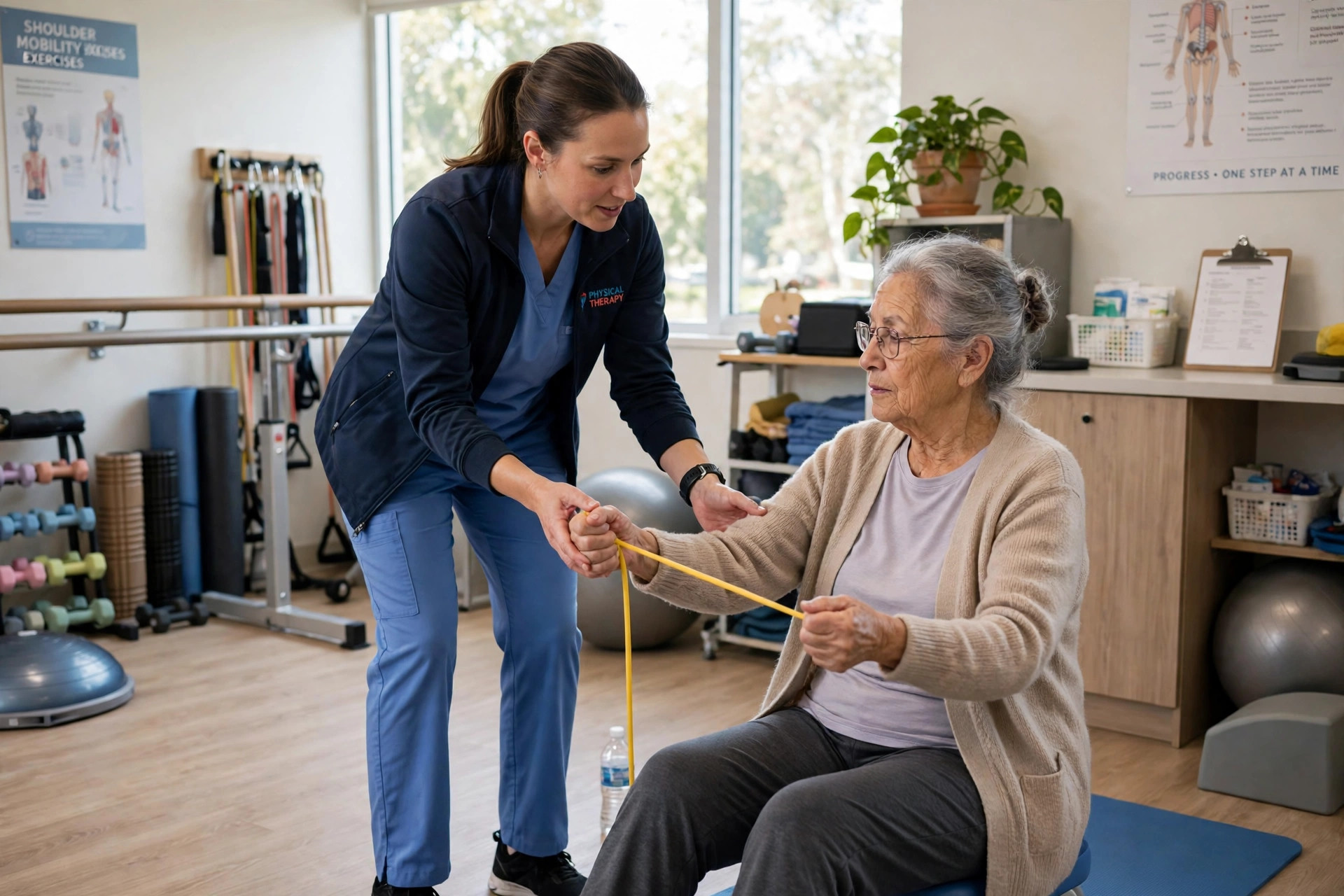
An adult day health program does the social work too. It adds real health care on top. These programs serve people with serious medical problems. They also serve people who might soon need nursing home care. That risk grows if day support fails. Staff may include nurses and therapy staff. The day can include health screening. It can include medication management and physical therapy. That depends on the program.
This type fits a person who just came home from a hospital stay. That person needs therapy and watchful care while they get stronger. It also fits a person whose health shifts from day to day. That person needs a nurse to catch changes early. A doctor may point a family to this type by name. A hospital discharge team may do the same.
The health type is not a small hospital. Care is given during program hours, on program days. Nights and weekends still fall to the family. Health crises do too. So do the person's own doctors.
Who pays for each type
Ask each program what it bills. Ask which payers it works with. Ask what a day costs if no payer helps. Get the answer in writing before the first day.
- Original Medicare does not pay for adult day programs as a day service. A therapy service billed on its own terms is a separate question. Ask the program about it.
- Medicaid may pay for adult day health care or social day care in some states. It often does so through a waiver program. State rules set who qualifies. They also set which type is covered.
- Private pay is the common route for social day programs. Families pay the daily rate from their own funds.
- Some long-term care insurance policies may help with day program costs. Some veterans programs may help too. The terms sit in the policy or the program rules.
How to tell which type a local program is
Names alone will not settle it. One state may license the two types apart. Another state may not license adult day centers at all. Ask these questions on a visit or a call:
A program that gives clear, quick answers is showing you its type. A program that stays vague about nursing is most likely a social program. That holds no matter what its sign says. Our guide on home care versus adult day costs and coverage can help. It can help you weigh a day program against help at home.
- Is a nurse on site during program hours? For how many hours a day?
- Which health tasks will staff do here: give medicines, check blood sugar, change dressings, give therapy?
- What happens if my person feels sick or falls during the day?
- Do you need a doctor's order or a health assessment before a person starts?
- What training do the staff who give hands-on help have?
- Which payer paid for most of the people here last month?
Sample situation
Ruth is 79 and lives with her daughter, Ana, who works full time. Ruth has diabetes and had a mild stroke last spring. She can walk with a cane, but her blood sugar swings and she has fallen twice at home. Ana needs a day program while she works.
Ana visits two programs. The first is a social program: a bright room, group games, lunch, and no nurse on site. The second is an adult day health program: a nurse on staff, blood sugar checks, and therapy after the stroke. The health program's daily rate sits near the CareScout 2025 survey median of $95 a day for adult day health care. Ruth needs the checks and the therapy, so Ana picks the health program for weekdays. On one Saturday a month, Ruth goes to the social program for its music day, which she loves. Each program is used for what it does best.
Steps to choose well
For couples weighing day care against help at home, our guide on home care for couples can help. It shows how shared aide hours and day programs can work together.
- List the health tasks your person needs done during the day. Start with health programs if the list has nursing or therapy tasks.
- Visit at least one program of each type if both exist near you. Watch a full hour, not just the tour.
- Ask who is on staff at the busiest hour, not just on paper.
- Ask for a trial day. Ask how the program reports back to the family after it.
- Check the ride plan. Who brings your person there and back? What does it cost?
- Recheck the fit after a month. Health needs change. A switch of type may be the right move later.